
Walking Meditation
Walking Meditation – A Taoist Walk by AtelTrainer
Conscious walks! — No mindful walks!
BOOK II, “Zen Sport,” Chapter: Walking Meditation.
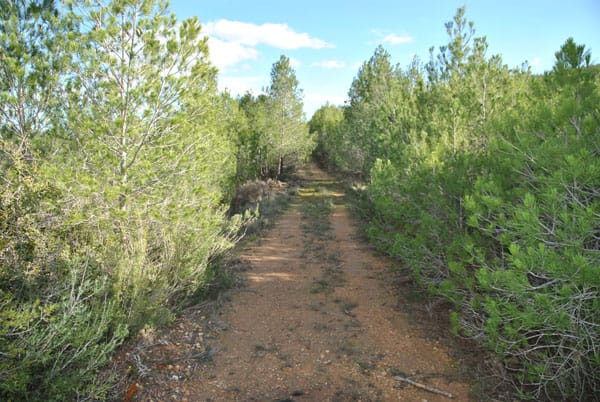
It is well known that walking is very beneficial to our health. We walk to get to work, to run errands, and to visit cities, monuments, and beautiful places; we walk in the countryside and in the mountains; we walk alone or with a friend, a loved one, or a child.
Doctors recommend walking to their patients suffering from various conditions (overweight, diabetes, high cholesterol, high blood pressure, etc.). In cases of stress, anxiety, or depression, doctors generally recommend engaging in moderate- to high-intensity aerobic exercise.
It is therefore well established that walking is beneficial for our physical well-being. But depending on our attitude while we’re out walking, we can limit ourselves to the physical level alone, or we can also benefit on the mental, psychological, emotional, and spiritual levels.
When we walk, driven by anxiety, we allow that anxiety to fade away as the minutes and kilometers pass.
Thanks to the intensity of the physical effort, we gradually stop paying as much attention to the anxiety and slowly regain our peace of mind, burning off the adrenaline generated by whatever is troubling us. This is a good way to get through difficult and intense moments on a temporary basis, but we can only truly dispel this anxiety and protect ourselves against future episodes by developing our ability to let negative thoughts pass so that they stop dictating our emotional lives.
This ability can be developed through sports meditation, seated meditation, and also through walking meditation.
When we’re very agitated, it’s difficult to find peace through sitting meditation. It’s like trying to slam on the brakes of a car traveling at 200 km/h on the highway… it skids, we lose control, but it doesn’t come to a sudden stop.
In moments of high emotional tension, we can use several successive strategies to gradually reduce mental intensity. For example, run or walk vigorously for a few minutes, then gradually slow down your pace to walk more and more slowly until you’re walking calmly while focusing on the fluid ebb and flow of your conscious breath. You can eventually finish with a few minutes of seated meditation to fully calm your mind once you get home.
In one way or another, we all walk every day—to get to work, run errands, pick up the kids from school…
If we learn to walk consciously, we’ll make the most of every step on our daily journeys to train our minds to become increasingly centered; we’ll improve our ability to concentrate, we’ll enjoy our surroundings and the present moment, and we’ll develop an invaluable resource for relaxing during difficult times by learning to be here and now, rather than caught up in the worries of yesterday and tomorrow.
In addition, learning to breathe more effectively while walking helps us burn more calories and boost our internal energy levels. If we learn to walk with a positive intention, we’ll also increase our sense of joy and optimism.
I’ll summarize the Beingist technique for conscious and healing walking:
I. Choose the time of day that works best for each person to plan a meditative walk. Personally, I recommend after dinner, as this will aid digestion, help us release the day’s stress, and prepare us for a good night’s sleep. It’s also a good excuse to stop watching TV shows of dubious interest.
II. Change your route every day—even if it’s just by walking in the opposite direction.
III. Decide whether to walk alone or with someone else. If walking with someone else, both people should respect the moments of silence required by the exercise.
IV. Wear comfortable clothes and shoes. Wear warm clothes in winter, since the walks are slow-paced and the cold is biting.
V. Avoid distractions. Turn off cell phones. Empty your pockets of any metal objects, such as keys, to avoid making noise during the walk.
VI. Before setting out. On the threshold of the house. Pause for a few seconds, look up at the sky, take in the atmosphere, breathe deeply, and define the purpose of the meditative journey walk. Decide whether, today, the goal is to let yourself be carried along by your surroundings, to relax and forget a worry, to meditate on a work- or family-related issue, or simply to enjoy the walk with empty joy…
VII. Walk by first placing your heel down, then the ball of your foot. Feel the contact with the ground. Walk as if caressing the ground; walk gently.
VIII. Gently draw your sacrum inward to align your lower back without tension.
IX. Relax your shoulders and neck.
X. Relax your arms, hands, and fingers.
XI. Deeply relax your hands. Keep your hands open, without tension. Walk with your hands at your sides, in your pockets, or behind your back. The position of your hands can influence your sensations and mental activity.
XII. Find a comfortable pace that isn’t too fast. Your walking speed will also influence your mental pace. I recommend gradually slowing down your walking pace to encourage your mind to do the same. Slowly your mental rhythm will gradually synchronize with your physical rhythm.
XIII. Focus on smooth, unobstructed breathing. Start by synchronizing your breath with each step: for example, inhale for 1 or 2 steps, exhale for 1, 2, or 3 steps. After walking for a while while breathing this way, let your breath flow gently and naturally with your walk. Breathe through your nose if possible.
XIV. Adopt an attitude of contemplation without judging what we hear, listen to, see, or feel. If we realize that we are beginning to judge or reflect on something we have perceived or heard, we return to contemplating what was mentioned in order to continue our outward contemplation of the environment.
XV. From time to time, feel the air caressing the skin of your face. Breathe in this breeze with a sense of satisfaction. Let the breeze pass through you with the sensation of being purified from within.
XVI. If we are walking with one or more people, let’s take a few minutes before beginning the meditative walk to explain what we’ll be doing. Let’s plan to take short breaks from time to time to discuss what we’ve observed and felt, using the right words. At the end of the walk, let’s take another moment for an open conversation, choosing our words carefully. Few words to say a lot. Sometimes, a simple glance and a smile are enough.
Once participants are well-trained, the breaks set aside for conversation can be gradually phased out. During a group walk, it’s much harder to remain silent because we naturally want to share our experiences. Walking in a group can be more distracting and tests our patience since we have to wait for the breaks to talk and share.
The benefits of practicing conscious walks are considerable. I recommend doing them every day, especially in the afternoon and evening.
If we practice these conscious walks regularly, we’ll see our village, our city, and our neighborhood in a new light. We’ll discover and feel the changes that the seasons bring to our environment. We’ll witness these cyclical changes. Furthermore, we’ll see and feel how people’s activities and customs adapt to the seasons.
These exercises, which—with practice—become healthy habits, will reconnect us to the natural rhythm of life that our modern lifestyle prevents us from enjoying.
As I mentioned earlier, this is also an excellent alternative to television shows of questionable value.
The media tells us how things are going in the outside world and sells us what we need to be happy, but…
Conscious walks, among other things, help us understand how things are going for us and what we truly need in each moment. They help us take control of our lives with the goal of becoming happier, more at peace, and more satisfied with ourselves and our surroundings.
The beauty of the present lies in every quiet step we take… as we lengthen our stride to embrace a sincere, long, and deep present…
Taoist Philosophical Walk
As part of conscious walking, we can go much further in experiencing movement by sending a philosophical message to our mind and intellect.
This is very similar to walking meditation: through slow, deliberate movement, the practitioner becomes aware of their body with every step, treading the ground with respect and love.
In the Taoist philosophical walk I propose, we will sense that the past, present, and future are one and the same; it is life itself summed up in a few steps.
Procedure:
Whether outdoors or indoors, find a flat, pleasant space.
- Stand with your feet parallel and slightly apart, your back straight, your hips relaxed, your knees slightly bent, and your neck and arms relaxed.
- Breathe smoothly and naturally.
- Be barefoot if possible so you can feel the temperature and texture of the ground through touch.
- Look straight ahead, toward infinity, glancing out of the corner of your eye if you wish to see where your feet will land as you walk.
- Keep your eyes relaxed, either open or half-closed.
- Begin the step by very slowly shifting your body weight onto your left supporting leg.
- Very slowly, in slow motion, lift your right knee and, in the same slow motion, take a step forward. Bend your supporting leg while your right foot, flexed, descends very gently to brush the floor, then settles fully onto it, starting with the heel and ending with the tips of the toes. The torso follows the movement, and without pausing—but at an extremely slow pace—the steps alternate as they do when walking normally.
- When our entire body weight rests on the sole of one foot, we feel the weight of the present.
- As our foot moves forward, we feel this movement toward the future emerging from a stable, tangible sense of the present.
- As we move toward the future, in the cycle of the step, our foot—which for a moment was the point of support, the present—gradually lifts off the ground to reinforce the step we’ve begun, leaving the past behind us. A past that will never return.
- With each step, we feel the passage of time through this serene and uninterrupted movement.
- With every step, we feel the present settling into place, giving way to a stable future as we leave the past behind.
- With every step, we feel the flow of our lives, trying not to dwell on either the past or the future, and using our weight and our slow, steady movement to build a stable present that is in constant motion.
- We place our feet on the earth with respect. By respecting the earth, we respect ourselves.
🌿 ❤️ 🌿